
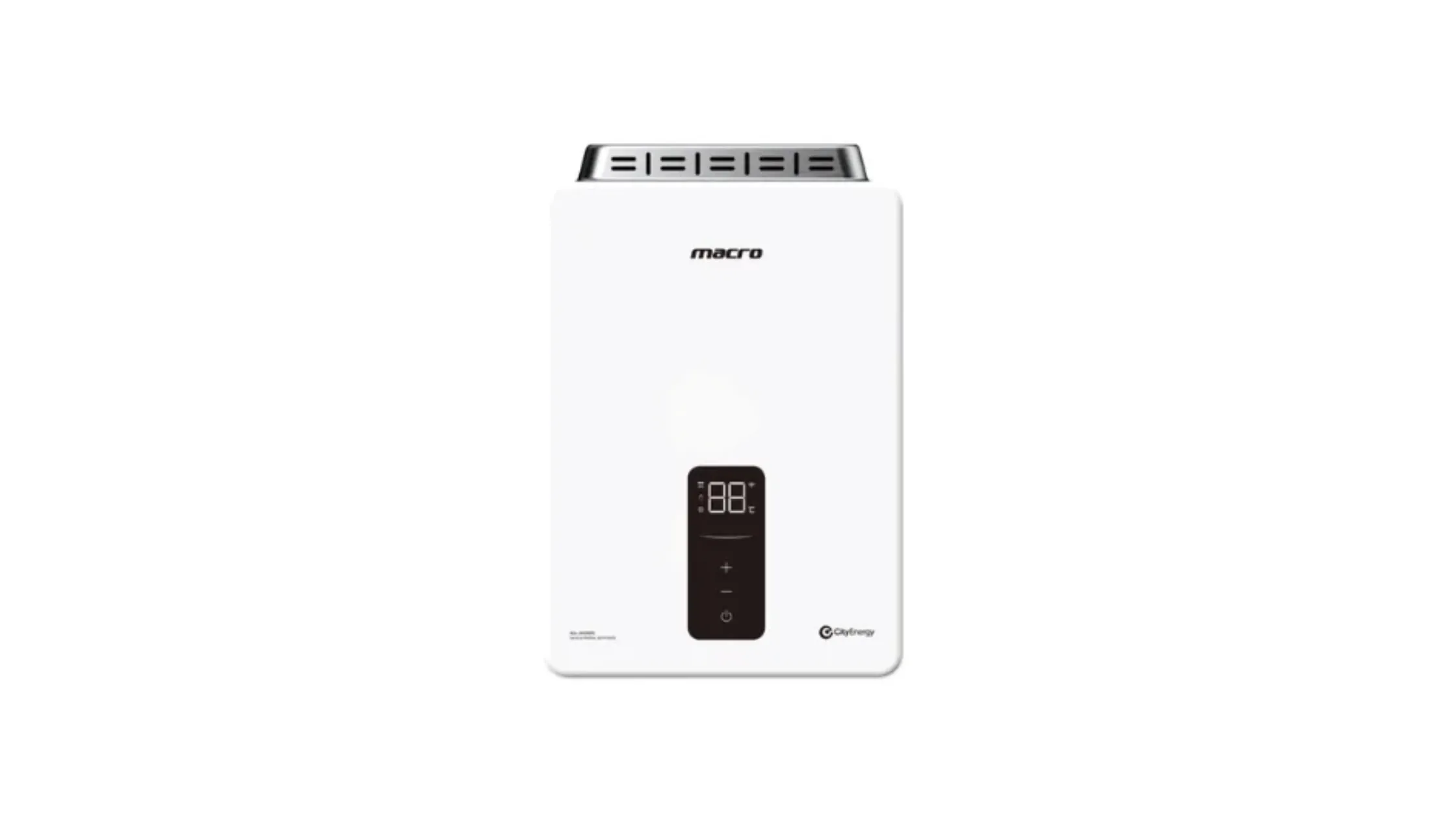
Every Singapore homeowner eventually faces the same renovation question: gas, storage, or instant water heater? It sounds like a small decision, but it affects your monthly utility bill, how quickly hot water reaches your shower, how much space the unit takes up, and — for gas heaters specifically — a safety consideration that’s worth understanding before you buy. If you’re currently searching water heater singapore options for a new build or a bathroom renovation, this guide breaks down the three main types so you can match the right one to your household.
The Three Types of Water Heaters in Singapore Homes
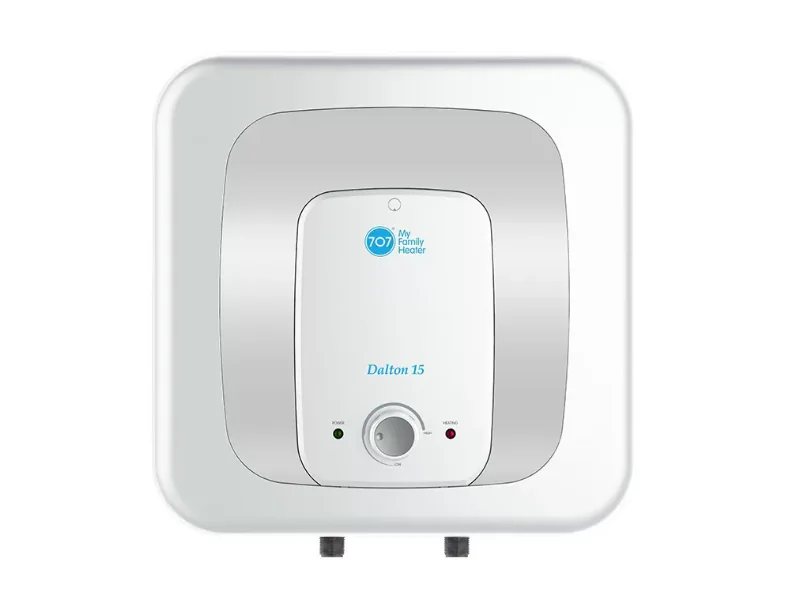
Storage water heaters hold and continuously heat a tank of water, ready to draw from at any time. They’re common in landed homes and larger condo units where multiple bathrooms might draw hot water simultaneously, since the tank provides a steady reserve rather than heating on demand. The 707 Dalton 15 is a straightforward example of this type, sized for exactly this kind of steady household demand.
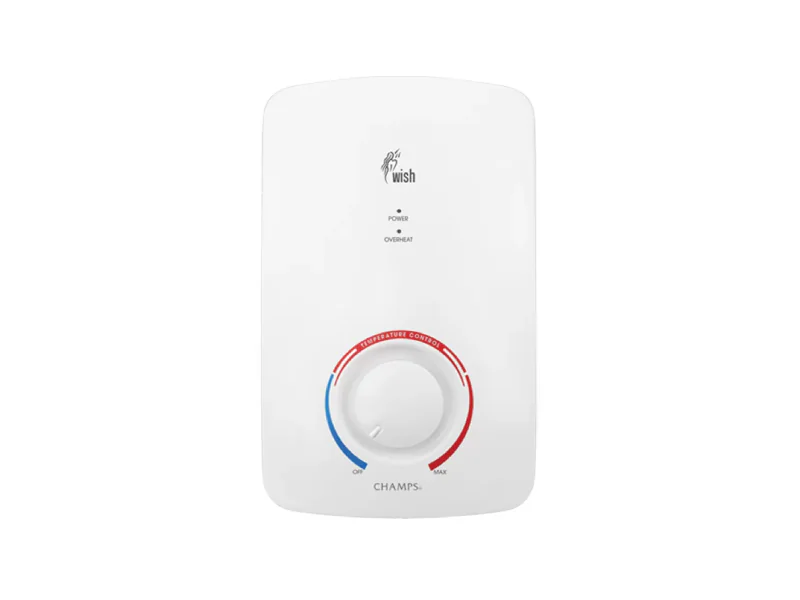
Instant (or instantaneous) water heaters heat water as it flows through the unit, with no tank and no standby heat loss. These are the most common choice for HDB bathrooms, where compact wall-mounted units fit neatly above the shower and heat water almost immediately on demand. The Champs Instant Water Heater Wish is a typical example of this compact, wall-mounted style.
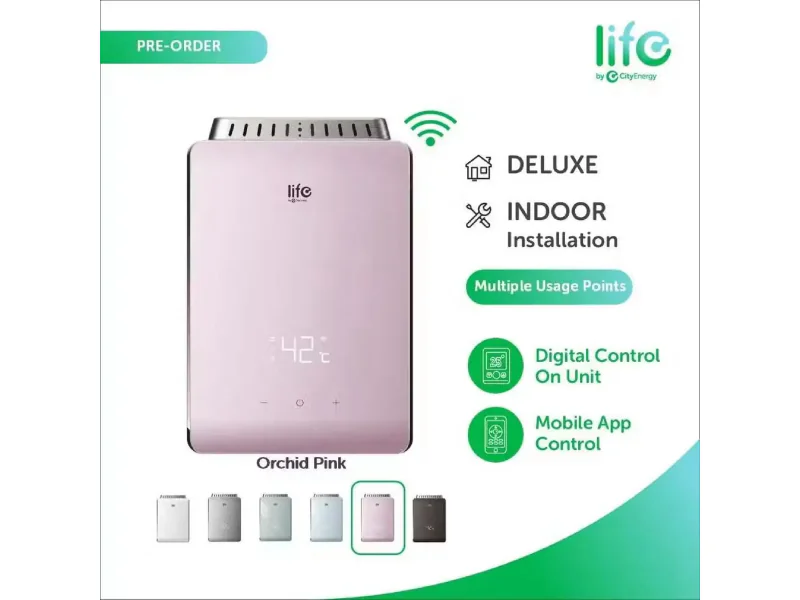
Gas water heaters, often just called a buy gas heater search by homeowners comparing options, use town gas or LPG to heat water on demand, without relying on electricity for the heating element itself. Many Singapore households value gas water heaters for their fast, consistent hot water flow, particularly useful for back-to-back showers in larger families. The Gas Water Heater Life by City Energy is one such model available in several colours.
Comparing Running Costs and Household Fit
Instant electric heaters are typically the cheapest to install and are well suited to single-bathroom HDB flats where hot water demand is moderate and predictable. Storage heaters make more sense where several taps might draw hot water at once — a landed home with multiple bathrooms, for instance — since the tank buffers demand that an instant unit might otherwise struggle to keep up with.
Gas water heaters have become increasingly popular in newer condo developments with town gas connections, largely because they heat water quickly without the standby losses of a storage tank. Overall running cost depends heavily on your household’s actual usage pattern, tariff rates, and how efficient the specific model is — which is exactly why Singapore introduced a rating system to help buyers compare rather than guess.
It’s also worth thinking beyond the sticker price of the unit itself. Installation cost varies significantly between the three types — an instant electric heater is usually the simplest and cheapest to install since it needs only a standard power point, while gas heaters require proper gas piping and ventilation work that adds to the upfront cost. Storage heaters sit in between, needing a dedicated space for the tank plus standard plumbing connections. Factoring in installation alongside running cost gives a much more realistic picture of what each option will actually cost you over its lifespan, rather than comparing only the appliance price at the point of purchase.
Understanding the Energy Label Before You Buy
Since 1 April 2025, the National Environment Agency (NEA) extended its Mandatory Energy Labelling Scheme (MELS) to cover household water heaters — including storage, instantaneous, and heat pump models (National Environment Agency, n.d.). Every water heater sold in Singapore must now display a tick rating, with more ticks indicating better energy efficiency. This makes it far easier to compare two seemingly similar heaters side by side rather than relying on brand reputation alone.
Beyond the energy label, household water heaters sold in Singapore are also expected to meet the requirements set out in SS 646:2019, the Singapore Standard covering household water heater performance and safety, developed with input from the Building and Construction Authority, City Gas, and NEA among others (Enterprise Singapore, 2019). When comparing models, checking for both the MELS tick rating and compliance with recognised safety standards gives you a genuinely useful basis for comparison, rather than picking on price alone.
A Note on Gas Water Heater Safety
Gas water heaters are safe and are used in a very large number of Singapore homes, but they do require attention to one detail that electric heaters don’t: ventilation. Because a gas heater burns fuel to produce heat, it needs somewhere for the combustion by-products to go. A gas water heater installed in a small, enclosed bathroom without adequate ventilation — or with a blocked flue — can allow carbon monoxide to build up, which is why installation location and airflow matter more for gas units than for electric ones.
In practice, this means: never install or use a gas water heater in a bathroom without a window or proper exhaust ventilation, never block or cover any ventilation opening near the unit, and always have the unit installed and serviced by a licensed professional rather than attempting a DIY fit. If you notice unusual smells, soot marks near the unit, or the pilot flame burning an unusual colour, stop using the heater and have it inspected before continuing.
Which Type Suits Your Household?
For a single-occupant or couple’s HDB flat with one bathroom, an instant electric heater is usually the simplest and most cost-effective choice. For a family HDB flat with two bathrooms used around the same time each morning, a slightly higher-capacity instant unit or a compact storage heater can avoid the “someone always gets lukewarm water” problem. For landed homes or larger condo units with multiple bathrooms and higher simultaneous demand, a storage or gas system tends to perform more consistently. Whichever direction you lean, checking the MELS tick rating for your shortlisted models is a simple way to estimate long-term running costs before you commit.
Frequently Asked Questions
Do I need a permit to install a water heater in my HDB flat?
Straightforward like-for-like replacements generally don’t require special permits, but any change involving new gas piping, altered bathroom layout, or ventilation modifications should be checked with a licensed contractor first.
How long do water heaters typically last?
Instant electric heaters commonly last 8–10 years with normal use, while well-maintained storage and gas units can last longer provided they receive regular servicing.
Is a gas water heater more expensive to run than electric?
It depends on your usage pattern and current gas and electricity tariffs — the MELS tick rating is the most reliable way to compare specific models rather than assuming one fuel type is always cheaper.
Can I install a gas water heater myself?
No — gas water heater installation should always be carried out by a licensed gas services contractor to ensure safe connection and adequate ventilation.
What size water heater do I need for my family?
This depends on the number of bathrooms used simultaneously and your household size; our team can help you match heater capacity to your actual usage pattern rather than guessing.
Making the Right Choice for Your Home
Choosing between gas, storage, and instant water heaters comes down to your household’s hot water demand, your bathroom’s ventilation, and how much you value long-term running efficiency over upfront cost. Whatever you choose, look for the MELS tick rating, check for SS 646 compliance, and have gas units installed by a licensed professional.
Visit the Regal Lighting showroom or speak with our team to compare water heater options in person and get advice tailored to your household’s actual hot water needs.
REFERENCES:
- National Environment Agency. (n.d.). About Mandatory Energy Labelling Scheme and Minimum Energy Performance Standards. NEA Singapore. https://www.nea.gov.sg/our-services/climate-change-energy-efficiency/energy-efficiency/household-sector/about-mandatory-energy-labelling-and-minimum-energy-performance-standards
- Enterprise Singapore. (2019). SS 646:2019 — Household Water Heaters. Singapore Standards eShop. https://www.singaporestandardseshop.sg/Product/GetPdf?fileName=190926095829SS+646-2019+Preview.pdf&pdtid=bdca2636-0e78-48af-953e-92e0c7f0eb43