
Singapore homes are getting more flexible. Kitchens double as work areas, study corners move from room to room, and living spaces are rearranged as families grow. Fixed sockets and fixed light points do not always keep up with these changes, which is why track systems have become a popular renovation choice. Two names come up most often: power track and magnetic track lighting. They sound similar and both use a track, but they do completely different jobs. If you are considering power track Singapore homes use for flexible sockets, or a magnetic tracklight system for flexible lighting, this guide explains the difference, where each one works best, and how to decide which suits your home.
What Is a Power Track?
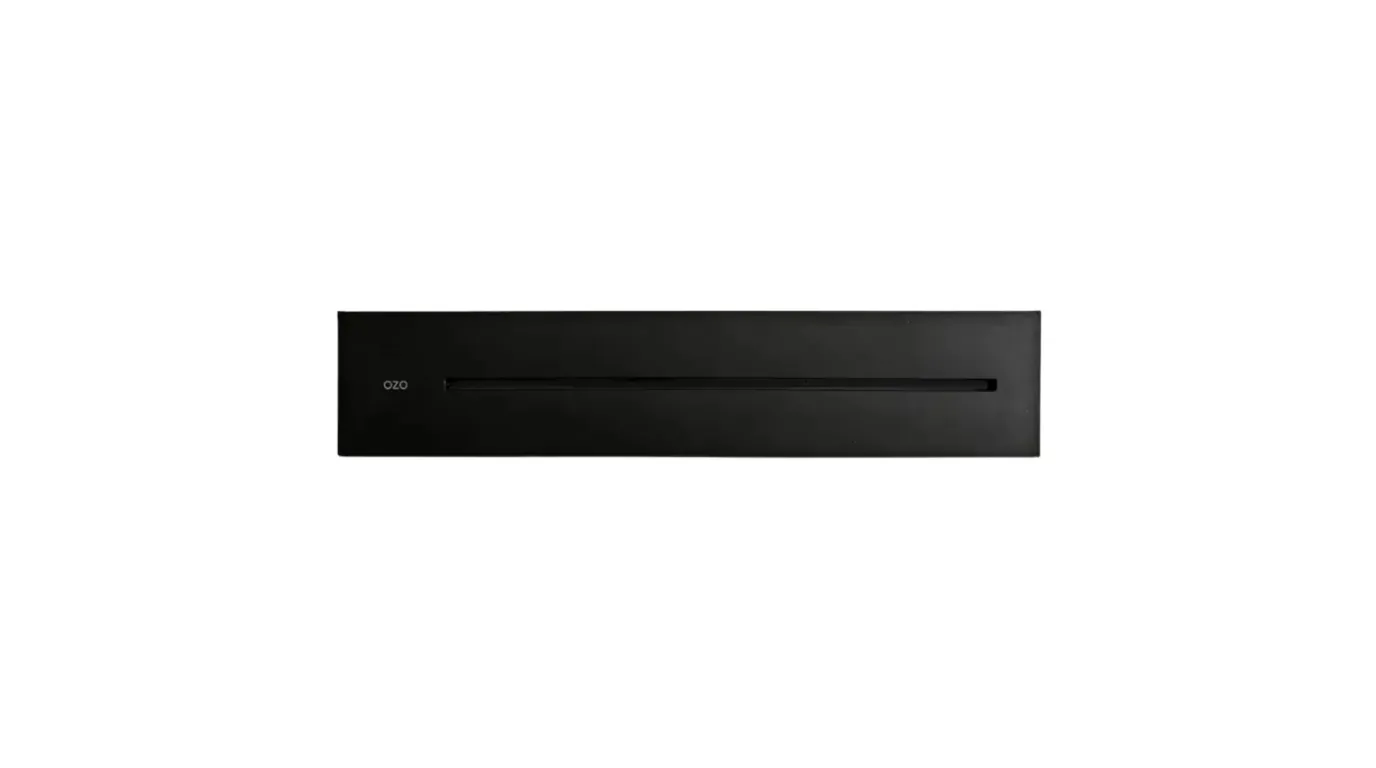
A power track is a flexible power socket system. Instead of fixed wall sockets, a track is mounted along a wall or counter, and socket adapters can be added, removed or slid along it to wherever power is needed. If you move the kettle, add a coffee machine or rearrange a work desk, the socket simply moves with it.
Power track is most useful where appliances and devices change position often. Kitchens are the most common example, followed by study areas, home offices and bedside walls. It also reduces the tangle of extension cords that builds up when a room has too few sockets in the right places.
What Is Magnetic Track Lighting?
Magnetic track lighting is a lighting system, not a power socket system. A slim track, usually recessed into or mounted on the ceiling, carries low-voltage power to light fittings that attach magnetically. Spotlights, linear light bars and other fittings can be clipped on, repositioned or swapped without tools, so the lighting layout can change as the room does.
A magnetic track light Singapore homeowners install today suits spaces where lighting needs to adapt: living rooms with changing furniture layouts, display areas, kitchens with islands and modern interiors that favour clean ceiling lines. Most systems use LED fittings, which the U.S. Department of Energy (n.d.) notes are available for track lights, task lighting and other fixture types, and which use far less energy than traditional bulbs.
Power Track vs Magnetic Track at a Glance
| Factor | Power track | Magnetic track lighting |
| What it carries | Mains power to socket adapters | Power to magnetic light fittings |
| Main purpose | Flexible power points | Flexible lighting layout |
| Typical position | Walls, counters, desks | Ceilings, sometimes walls |
| What you move | Sockets | Lights |
| Best for | Kitchens, study areas, bedside walls | Living rooms, kitchens, display areas |
Can They Work Together?
Yes, and in many homes they complement each other. A kitchen might use a power track along the backsplash for appliances and a magnetic track on the ceiling for adjustable lighting over the counter and island. The key is to remember that each system has its own track and its own fittings, so a power track socket will not fit a magnetic track, and a magnetic light will not attach to a power track. Planning them together from the start keeps the layout tidy and avoids clashes.
Where Each System Works Best
Kitchens
Power track is ideal along the backsplash, where small appliances move around. Magnetic track lighting can provide focused light over counters and islands that can be adjusted if the layout changes.
Study and Work Areas
Power track gives flexible charging and device points along a desk. Magnetic track lighting can direct light onto the work surface without cluttering the desk with lamps.
Living Rooms
Magnetic track lighting is the stronger choice here, since it allows spotlights to be repositioned for artwork, shelving or a TV wall as furniture moves. For more on choosing between accent and general light, read our guide on spot light Singapore Spotlights vs Downlights Singapore: Which One Does Your Room Actually Need? and downlight options.
Bedrooms
A short power track near the bed provides flexible charging points, while bedroom lighting is often better kept simple with general light and a reading light.
Planning and Installation Tips
Both systems need to be planned before walls and ceilings are finished. A recessed magnetic track needs a false ceiling with the right depth and a channel cut to fit, so it should be agreed with your contractor early. A power track needs a suitable wall or counter position and an electrical supply. Measure the length of track you need for each area and think about where appliances and lights will actually sit, not just where the track looks neatest.
Both systems involve fixed electrical connections. The Energy Market Authority (n.d.) advises engaging a Licensed Electrical Worker for electrical works such as rewiring, so installation should be handled by one rather than treated as a DIY job. It is also worth confirming load limits on a power track, so high-wattage kitchen appliances are not all connected to one section at once.
Questions to Ask Before You Buy
Before choosing either system, a few questions help narrow the decision. How often do appliances or devices move in this space? Is the problem too few sockets, or lighting that does not suit how the room is used? Is there a false ceiling, and if so, is there enough depth for a recessed track? How long does the track need to be, and where will it start and end? Will the system need to grow later, for example when a study becomes a nursery or a kitchen gains an island? Answering these early, ideally with your floor plan and ceiling heights on hand, makes it much easier to choose the right system and the right length the first time, rather than adding sections later.
Common Mistakes to Avoid
The most common mistake is confusing the two systems and buying the wrong one for the job, such as expecting a lighting track to supply power for appliances. Others include planning a recessed magnetic track after the false ceiling is finished, choosing too short a power track for a busy kitchen, and mixing fittings from different track systems that are not designed to work together. Finally, avoid overloading any power track with several high-wattage appliances at the same time.
Frequently Asked Questions
Is power track the same as track lighting?
No. A power track provides movable power sockets, while track lighting, including magnetic track lighting, carries light fittings. They use different tracks and different fittings.
Can I plug appliances into a magnetic track?
No. A magnetic track is designed only for compatible light fittings. Use a power track or standard sockets for appliances.
Do I need a false ceiling for magnetic track lighting?
A false ceiling is needed for a recessed, flush look. Surface-mounted versions are available for ceilings that cannot be recessed.
Can I install a power track myself?
Installation involves a fixed electrical connection, so it should be carried out by a Licensed Electrical Worker.
Which is better for a kitchen?
Many kitchens benefit from both: power track for appliances along the backsplash and magnetic track lighting for adjustable light over counters and islands.
Choose the Right System for Your Space
Power track and magnetic track lighting both bring flexibility, but one moves your sockets and the other moves your lights. If you plan to buy power track for a kitchen or study, decide which problem you need to solve first, or plan both together for a kitchen or work area that can adapt over time. You can buy power track online, or, if you are looking for the best lighting shop Singapore homeowners can visit in person, come to our showroom to see both systems working and get advice on your layout.
References
- Energy Market Authority. (n.d.). Who should I engage to assist with my electrical works (e.g. rewiring of my house)? EMA. https://ema.gov.sg/resources/faqs/electricity/general-electricity-works/who-should-i-engage-to-assist-with-my-electrical-works-eg-rewiring-of-my-house
- U.S. Department of Energy. (n.d.). Lighting Choices to Save You Money. Energy Saver. https://www.energy.gov/energysaver/lighting-choices-save-you-money