
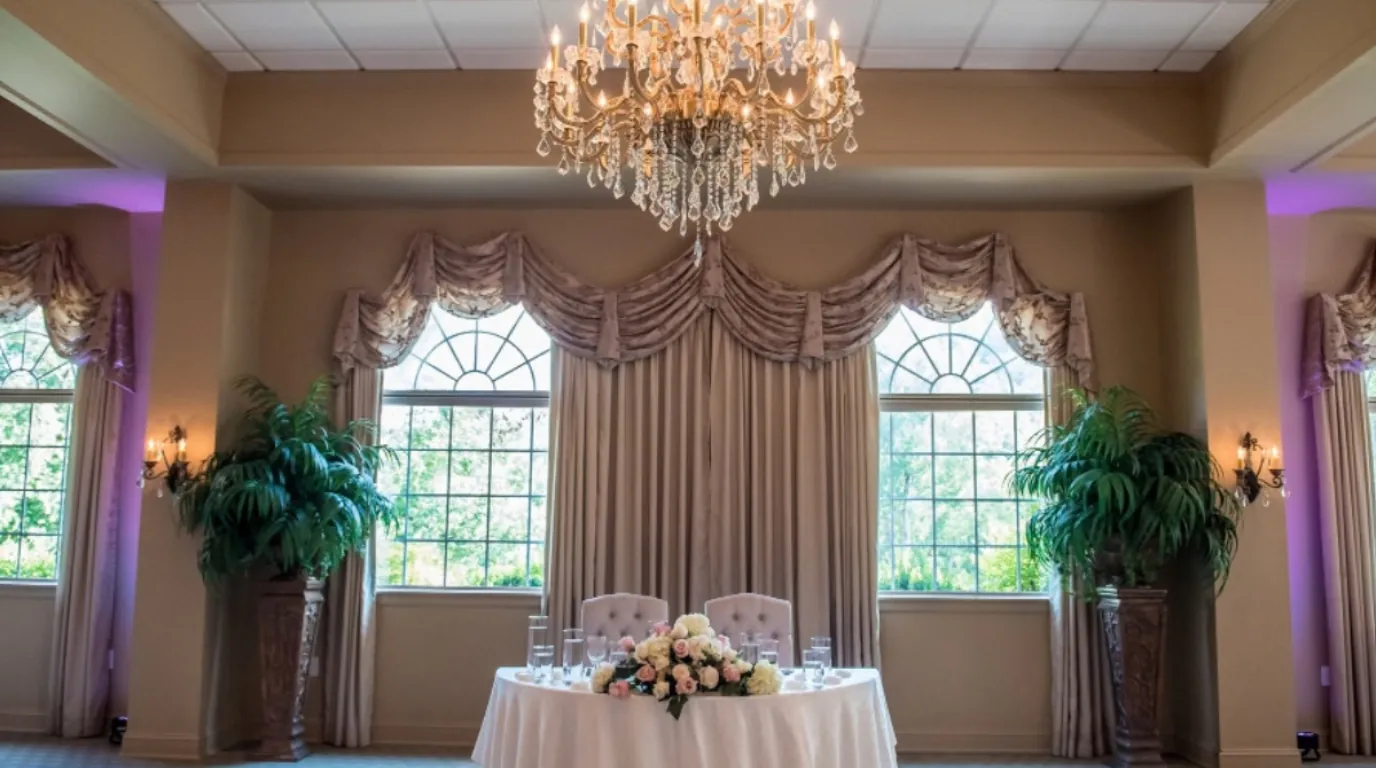
A chandelier is one of the few pieces in a Singapore home that changes a room the moment someone walks in — but it is also one of the easiest fixtures to get wrong. A design that looks striking in a showroom can read as undersized floating over a dining table, or too heavy for a low HDB ceiling. Getting a chandelier singapore homeowners will actually enjoy for years comes down to matching size, style, and installation method to the room it is going into, rather than picking whichever design catches the eye first.
Sizing a Chandelier to the Room
The most common mistake is buying a chandelier scaled for a showroom ceiling rather than a real HDB or condo unit. A simple starting formula: add the room’s length and width in feet, and use that number in inches as the rough diameter of the fixture. A 12ft by 14ft dining area, for instance, suggests a chandelier around 26 inches across. Over a dining table specifically, the fixture should generally measure 12 inches narrower than the tabletop on each side, so it doesn’t overwhelm the surface or interfere with sightlines across the table.
Height matters just as much as width. In a dining room, the bottom of the chandelier should typically hang 30 to 34 inches above the tabletop for a standard 8ft ceiling — add roughly 3 inches of drop per additional foot of ceiling height. Foyers work differently, since there’s no table to measure from; the usual guide is that the lowest point should sit no lower than around 7ft above the finished floor, so it doesn’t become a hazard for taller family members.
Matching Style to Ceiling Height and Room Type
Crystal chandeliers remain a popular choice for formal dining rooms and foyers in landed and larger condo units, particularly where ceiling height allows for a tiered, multi-layer design that reads as a genuine centrepiece. In more compact HDB living and dining areas, however, a single-tier or flush-mount crystal design tends to sit better — it delivers the sparkle without visually lowering an already modest ceiling.
Modern and rattan or organic-material chandeliers suit living rooms that lean toward a warmer, less formal look, and pair well with matte black or brushed brass finishes elsewhere in the space. For homeowners weighing a modern piece against a traditional crystal design, it’s worth thinking about how the fixture will read in five years rather than how it photographs today — crystal chandeliers tend to age well precisely because they don’t chase a design trend the way some modern pendant-style chandeliers do.
Tiered vs Single-Tier: What Actually Suits an HDB Ceiling
A tiered chandelier, with two or three visually distinct layers of arms or crystal strands, needs real vertical clearance to look proportionate rather than cramped. As a rough guide, tiered designs work best where the ceiling-to-floor height is at least 2.8m, which rules them out for many original HDB ceiling heights unless the room has been raised or the area sits under a void. Single-tier chandeliers, by contrast, read cleanly even under a standard false ceiling and are usually the safer choice unless a homeowner has already confirmed the room’s actual clearance.
This is where a showroom visit earns its keep. It’s difficult to judge how a tiered fixture will sit in a 2.6m HDB living room from a photo alone; seeing the same design at showroom height tends to prevent the most common and most expensive sizing mistake.
Installation Considerations for False Ceilings
Most chandelier installations in Singapore homes go into a false ceiling rather than the original concrete slab, which introduces a few practical constraints worth knowing before ordering. The Housing and Development Board’s guidelines on renovation works require a minimum clearance of 2.4m between the false ceiling and the finished floor, and specify that only non-combustible materials be used in the ceiling structure itself — both of which affect how much depth is actually available for recessing a chandelier’s canopy or junction box (Housing and Development Board, n.d.).
Because a chandelier is a fixed electrical fitting rather than a plug-in appliance, any new wiring point, or relocation of an existing one, falls under electrical installation work that must be carried out by a Licensed Electrical Worker (LEW) rather than a general renovation contractor. The Energy Market Authority requires this specifically for the addition, alteration, or replacement of lighting points and wiring, and a LEW will also confirm the ceiling structure can safely bear the fixture’s weight before it goes up (Energy Market Authority, n.d.).
Finish Options That Pair With an Existing Lighting Scheme
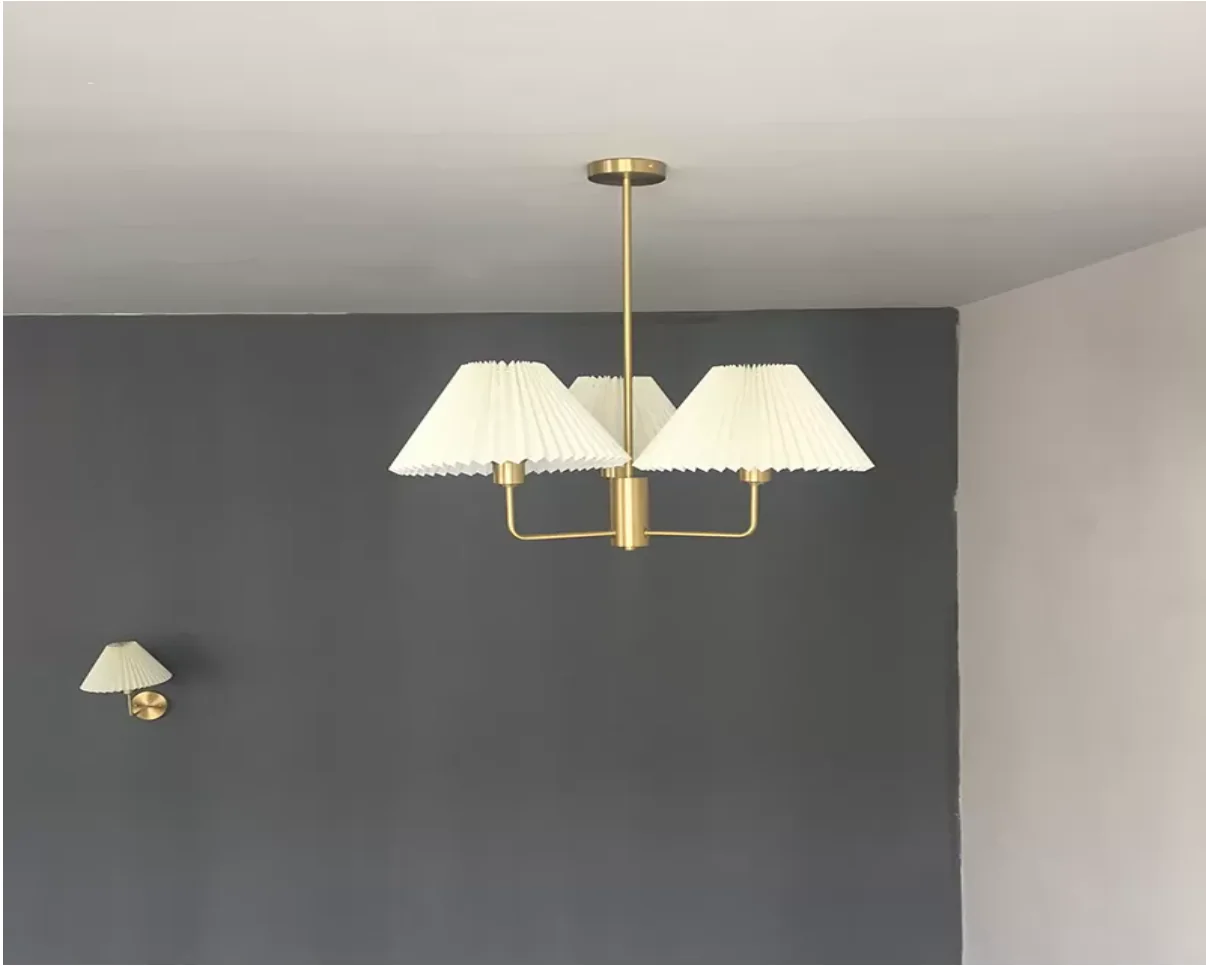
A chandelier rarely exists in isolation — it usually needs to work alongside the downlights, wall lights, or pendant fixtures already planned for the rest of the home. Matte black chandeliers pair naturally with black-framed spotlights and track lighting, while brushed brass or gold-finish designs — such as the CH3003-OW chandelier in our own range — complement warmer 2700K–3000K downlights used in living and dining areas. Homeowners planning a full lighting scheme, rather than a single statement piece, should also check how the chandelier’s finish carries through to any pendant lighting nearby if the two spaces are open-concept — a mismatch here is a common regret after a renovation is complete.
How to Choose Chandelier Size for Your Dining Table
As a quick reference: measure your dining table’s length and width, subtract roughly 12 inches from each side for the fixture’s maximum width, then check that the result still falls within the room-based formula above. If the two calculations disagree significantly, the table is likely unusually large or small for the room — prioritise the room-based formula to avoid a chandelier that looks wrong from the doorway even if it fits the table.
Frequently Asked Questions
What size chandelier do I need for a small HDB dining area?
For a typical 10ft by 10ft dining space, a chandelier between 18 and 20 inches usually looks proportionate. Going smaller often looks like an afterthought, while going larger can crowd the space even if it technically fits.
Can I install a tiered chandelier in a standard HDB flat?
It depends on the ceiling height after any false ceiling is installed. If the finished clearance is below roughly 2.6m to 2.8m, a single-tier design will generally look more proportionate and avoid feeling low overhead.
Do I need an electrician to install a chandelier, or can my contractor handle it?
Any new or altered wiring for a chandelier must be done by a Licensed Electrical Worker, not a general renovation contractor. This is a regulatory requirement in Singapore, not just a safety recommendation.
How do I choose between crystal and modern chandelier styles?
Crystal suits formal dining rooms and foyers, especially in landed or larger condo units, and tends to age well. Modern and organic-material designs suit more casual living rooms and pair naturally with warmer, less formal interior schemes.
A showroom visit is particularly useful for chandeliers because photos rarely convey scale accurately. Seeing a design installed at realistic ceiling height makes it much easier to judge proportion than browsing online alone.
Choosing the right chandelier comes down to getting the size, tier structure, and finish right for the specific room — not just finding a design that looks good in isolation. If you’re planning a chandelier as part of a wider renovation, Home Lighting Singapore — A Room-by-Room Planning Guide for New Renovations covers how to sequence this decision alongside the rest of your home. For homeowners still deciding between styles, visiting the Regal Lighting showroom to see chandeliers installed at realistic heights, alongside the rest of our lighting range, remains the most reliable way to avoid a costly sizing mistake before committing to a purchase.
References
- Housing & Development Board. (2026). Renovation Guidelines: Building Works. HDB. https://www.hdb.gov.sg/cs/infoweb/residential/living-in-an-hdb-flat/renovation/guidelines/building-works
- Energy Market Authority. (2026). Who Should I Engage To Assist With My Electrical Works? EMA. https://ema.gov.sg/resources/faqs/electricity/general-electricity-works/who-should-i-engage-to-assist-with-my-electrical-works-eg-rewiring-of-my-house