
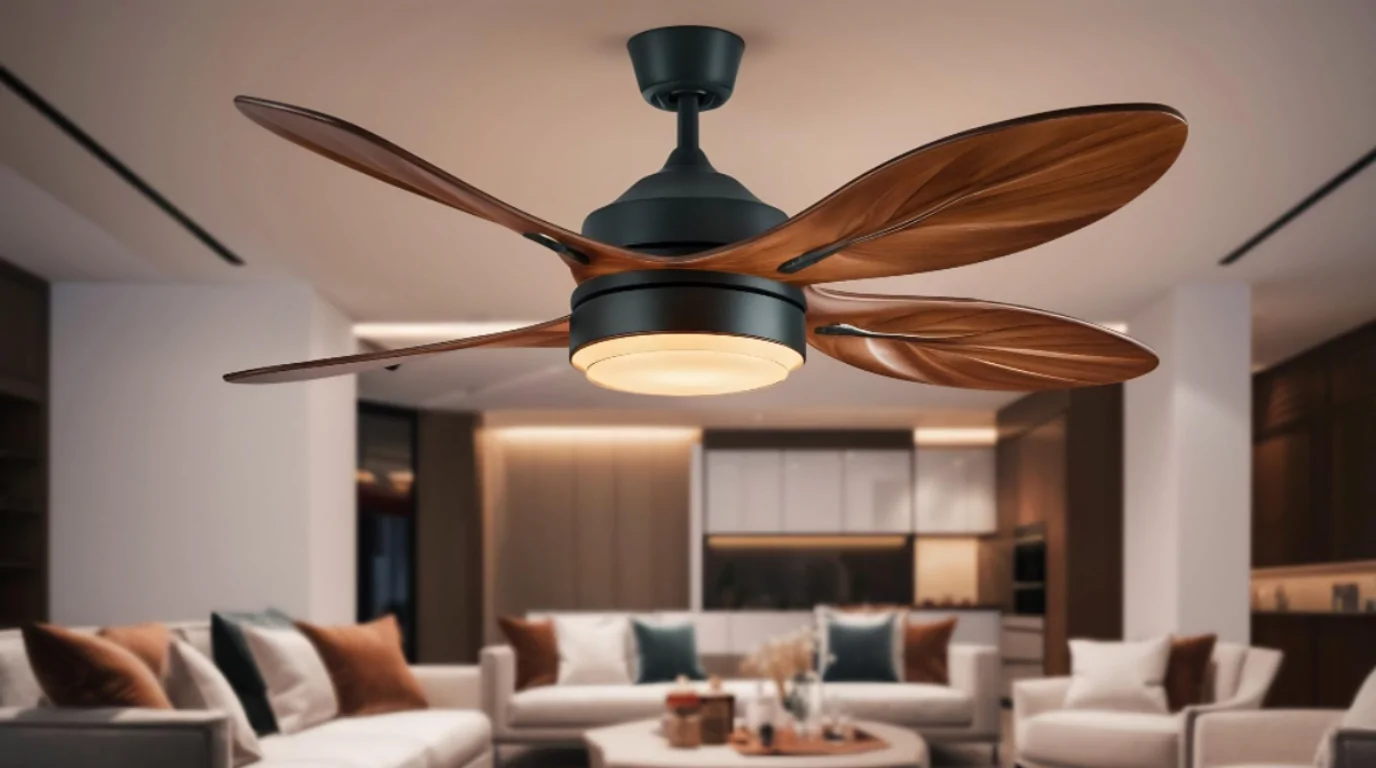
Designer Ceiling Fans Singapore: Statement Pieces for Feature Ceilings and Living Rooms
A designer ceiling fan singapore search usually starts the same way: a homeowner has just finished planning a feature ceiling, a double-volume living room, or a statement bedroom wall, and now needs a fan that will not undercut all that design work. A standard ceiling fan can feel like an afterthought bolted onto a carefully planned space. A designer fan, by contrast, is chosen the same way you would choose a pendant light or a piece of furniture — for how it looks as much as how it performs.
What Makes a Fan “Designer”
The difference is not just price. Designer ceiling fans typically use premium material finishes such as wood-look blades, matte black housings, or brushed brass accents, and they are engineered with integrated lighting and app or remote control as standard, not an add-on. They are built to be looked at directly, which means motor housings, blade attachments, and light diffusers all need to be visually resolved, not just functionally sound — browse the full ceiling fans category to compare finishes across brands.
Three Premium Picks Worth Considering
Within Regal Lighting Gallery’s range, three models consistently come up when clients ask specifically for a designer or statement ceiling fan.
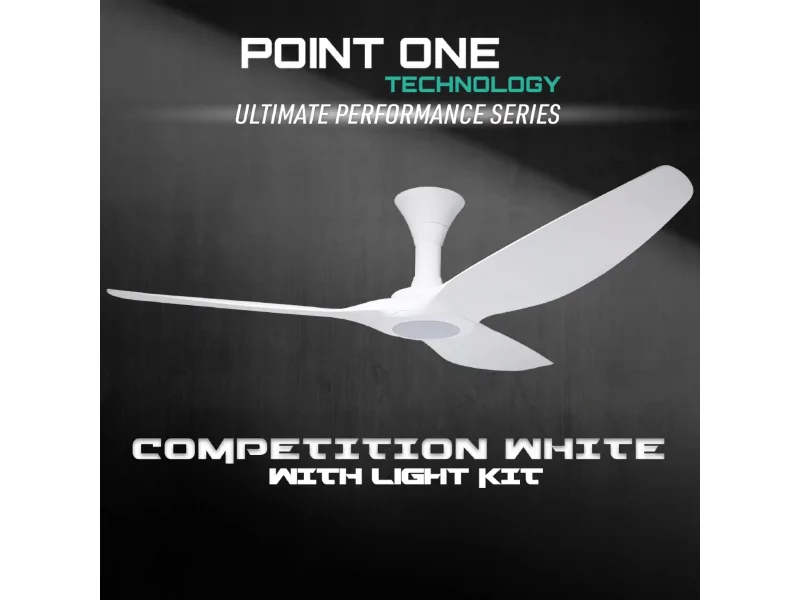
Point One Typhoon — Engineered Performance Meets Design
The Point One Typhoon uses blades engineered from layered glass fibre for strength, giving it a more refined, high-performance profile than standard blade materials. It is smart-enabled like the rest of the Point One range, and its sculpted silhouette makes it a strong pick for living rooms where the fan is visible from multiple angles, including from a staircase or mezzanine level.
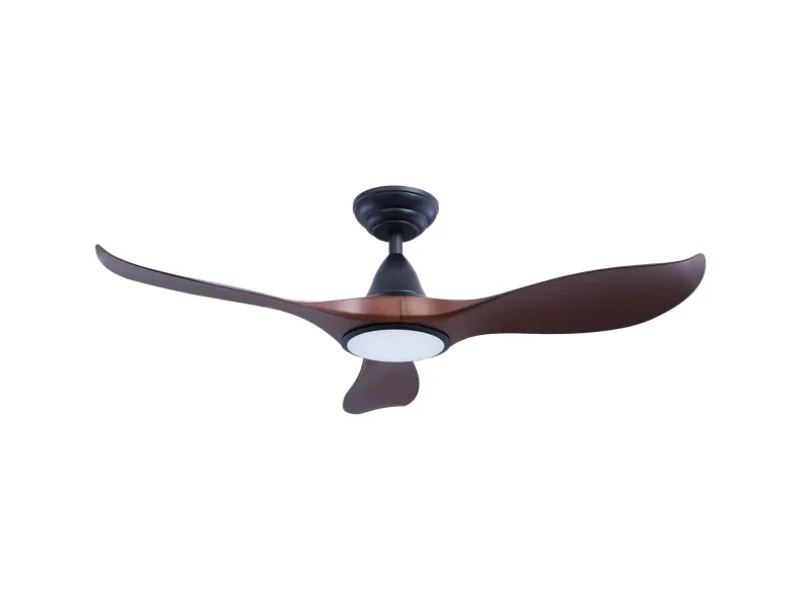
Efenz — Understated Craftsmanship
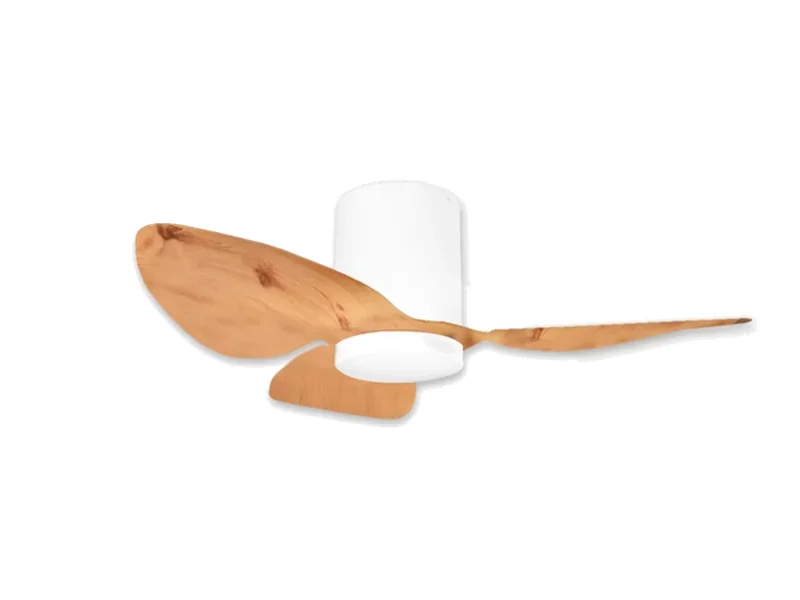
Alaska Ebey and Spin — Bold Blade Statements
Material Finishes and Integrated Lighting
Most designer fans in this category pair with a dimmable LED lightkit, allowing the fan to double as the primary light source in a room rather than requiring a separate pendant. Wood-look and matte black finishes remain the most requested combinations in showroom visits, largely because they read as neutral against most interior colour schemes while still adding texture that a plain white ceiling fan cannot offer.
Styling Tips: Pairing With Pendant Lights
If your living room already has a pendant light over a dining table or island, choose a ceiling fan finish that complements rather than competes with it — matching metal tones (brass with brass, matte black with matte black) tends to look more intentional than mixing warm and cool finishes in the same sightline. For open-concept spaces, keeping the fan’s finish consistent with door handles, tap fittings, or cabinet hardware elsewhere in the home creates a more cohesive design thread throughout the renovation.
Is a Designer Fan Worth the Upgrade?
For a bedroom you close the door on, a standard fan is often perfectly adequate. But for a living room, feature ceiling, or any space guests will see, the upgrade to a designer model tends to pay off in how finished the room feels once furniture and lighting are in place. Homeowners who have gone through a full renovation often say the ceiling fan is one of the last things they think about, and one of the first things visitors notice once installed.
Planning Around an Interior Designer’s Concept
If you are working with an interior designer, it is worth bringing them into the ceiling fan decision earlier than most homeowners do. A designer fan is not something to select at the very end of a renovation as an afterthought purchase — its finish, blade span, and light temperature all interact with the rest of the ceiling design, from cove lighting to false ceiling profiles. This kind of coordination matters especially in HDB flats, where BCA-registered renovation contractors need to work around fixed ceiling structures. Interior designers who specify feature ceilings often have a preferred finish and blade orientation already in mind, and matching the fan to that vision from the start avoids a costly last-minute swap once the false ceiling has already been built around a different model’s dimensions.
Budgeting for a Designer Fan Upgrade
Designer ceiling fans naturally sit at a higher price point than entry-level models, reflecting the premium materials, integrated smart features, and more complex motor engineering involved. Homeowners renovating on a broader budget often choose to invest in one designer fan for the main living space, where it will be seen and used most, while keeping bedrooms and utility areas on more standard models. This approach keeps the overall renovation budget in check while still delivering the visual impact where it matters most — in the space that sets the tone for the rest of the home.
If you are planning a feature ceiling or a statement living room and want to see the Point One Typhoon, Efenz, and Alaska Ebey or Spin in person, visit Regal Lighting Gallery‘s showroom at either our Sin Ming or Chai Chee location. Our team can also advise on pairing finishes with your existing lighting and hardware, and can share the reference material and specifications for these models to help you compare them side by side before you decide which one best fits your feature ceiling or living room concept.
Frequently Asked Questions
What makes a ceiling fan a “designer” model rather than a standard one?
Designer fans use premium finishes like wood-look blades, matte black, or brass accents, and are engineered with integrated lighting and smart control built in, rather than added on afterward. The motor housing and blade attachments are also visually resolved, since the fan is meant to be looked at directly rather than blend into the ceiling.
Which designer fan suits a double-volume living room ceiling?
The Alaska Ebey and Spin models, with their larger blade spans, are built to be a visual anchor in larger or double-volume spaces where a smaller fan would look out of proportion.
Is the Point One Typhoon smart-enabled?
Yes, like the rest of the Point One range, the Typhoon is smart-enabled and uses an EC motor with glass-fibre blades for efficient, quiet performance.
How do I match a designer fan finish to existing pendant lighting?
Match metal tones where possible — brass with brass, matte black with matte black — so the fan complements rather than competes with existing fixtures elsewhere in the room.
Is a designer ceiling fan worth it for a bedroom?
For rooms guests rarely see, a standard fan is often sufficient. The upgrade tends to matter most in living rooms, feature-ceiling spaces, and areas visitors will notice.
Should I involve my interior designer before choosing a ceiling fan?
Yes — bringing your interior designer into the decision early helps ensure the fan’s finish and blade span suit the overall ceiling concept, avoiding costly changes later.
References
- Building and Construction Authority Singapore — Registered Contractors and Renovation Standards — https://www.bca.gov.sg
- Housing & Development Board Singapore — Renovation Guidelines for HDB Flats — https://www.hdb.gov.sg