
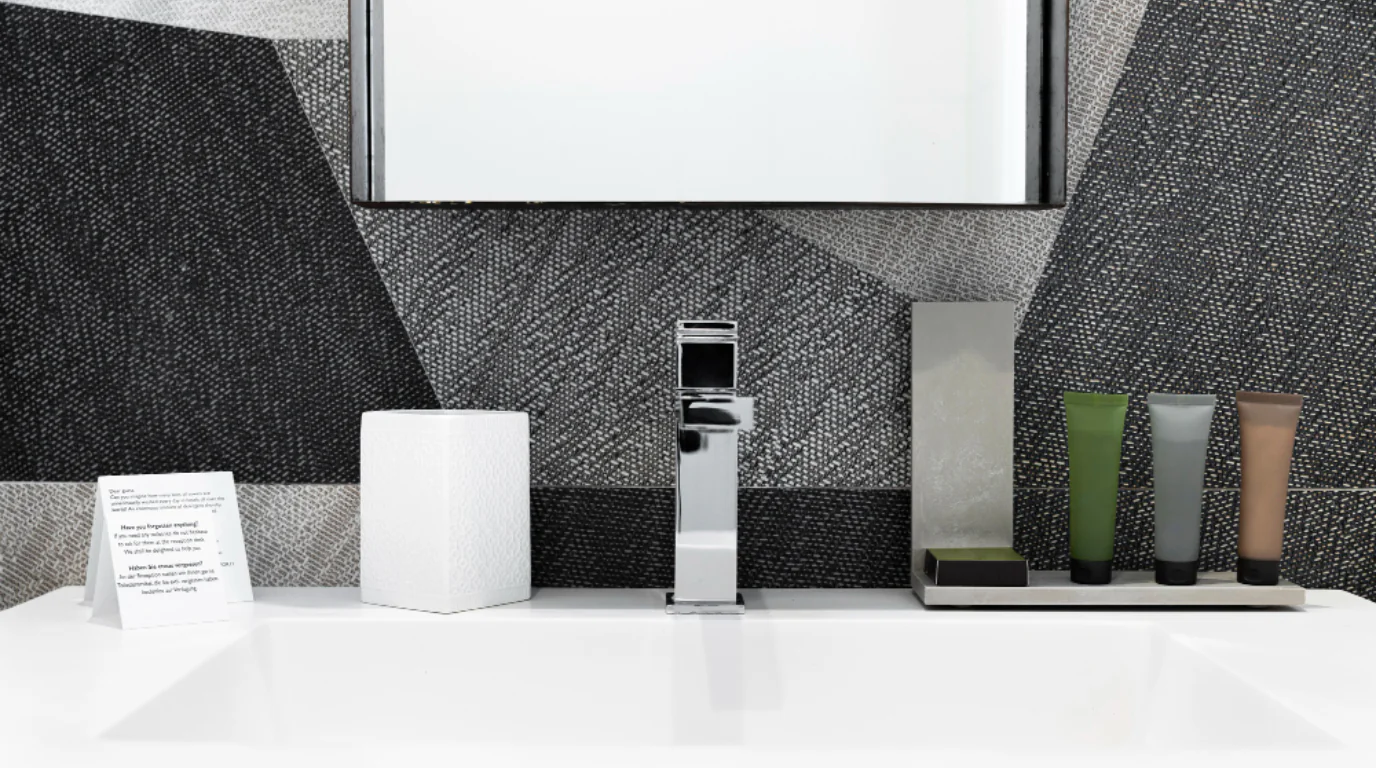
Bathroom renovations tend to focus on the big, visible decisions — tile colour, vanity style, mirror shape — while the tap gets picked in the last five minutes at the showroom. That’s a shame, because a basin tap is something you touch multiple times a day, every day, for as long as you live in the home. If you’re partway through a renovation and starting to buy gas heater, basin, and fitting decisions, it’s worth slowing down on the taps specifically, since getting the type, finish, and flow rate right makes a genuine daily difference.
This guide covers the practical side of choosing basin taps singapore homeowners can be confident in — the tap types available, the finishes that hold up in Singapore’s humidity, water pressure considerations for HDB flats, and how to think about budget versus premium options.
Types of Basin Taps
Single-lever mixer taps are the most common choice in Singapore bathrooms today. A single lever controls both temperature and flow, which makes them easy to use one-handed and simple to install into a standard single-hole basin. They suit almost every bathroom style, from minimalist to more traditional.
Wall-mounted taps are fitted directly into the wall above the basin rather than onto the basin or counter itself, which frees up counter space and gives the basin a cleaner, more sculptural look. They do require the plumbing to be planned and roughed in during the renovation stage, so this is a decision to make early, not at the final fitting stage.
Sensor (touchless) taps use an infrared sensor to start and stop water flow automatically. Originally common in commercial washrooms, they’ve become popular in home renovations for their hygiene benefit and because they help prevent taps being left running by accident, particularly useful in households with young children.
Bib taps, which have a fixed handle for water flow and a separate handle for temperature (where hot and cold are supplied), are less common in modern Singapore bathrooms but still appear in some older HDB flats and utility areas. They’re generally simpler mechanically, which can mean fewer components to eventually replace, though they lack the one-handed convenience of a mixer.
Finishes: Chrome, Matte Black, and Brushed Gold
Chrome remains the most popular finish for basin taps singapore renovations, largely because it’s affordable, easy to clean, and pairs with virtually any bathroom colour scheme without dating quickly. The Aalto Basin Mixer is a good example of a single-lever mixer available across chrome, matt black, and brushed steel, letting you compare finishes on the same base design.
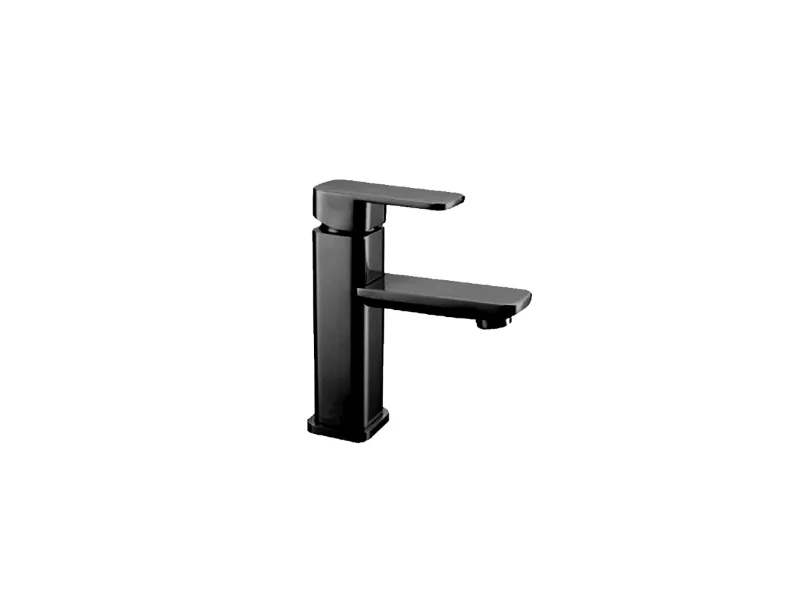
Matte black has become a strong trend over the past few years, offering a more dramatic, contemporary look, particularly against white or light-toned basins and countertops. It shows water spots slightly more visibly than chrome, so a quick wipe-down after use keeps it looking its best.
Brushed gold and brushed brass finishes suit warmer, more traditional bathroom palettes and have grown in popularity for feature bathrooms. The brushed texture (as opposed to a high-polish gold) tends to hide fingerprints and water marks better than a mirror-polished finish.
Water Pressure and Flow Rate for HDB Bathrooms
HDB bathrooms typically run on mains water pressure that’s more than adequate for standard taps, but flow rate — how much water passes through the tap per minute — is still worth checking, since it affects both your daily experience and your water bill. Singapore regulates this through the Water Efficiency Labelling Scheme (WELS), administered by PUB, Singapore’s National Water Agency. Since April 2019, all taps and mixers sold for supply in Singapore must carry a minimum 2-tick WELS rating, with higher tick counts indicating better water efficiency (PUB, n.d.). When comparing taps, checking the WELS label is a quick way to see roughly how much water a specific model uses relative to others on the shelf, without needing to guess from price or brand alone.
Matching Taps to Your Basin Style
A tap should be sized and positioned to suit the basin it’s paired with. Vessel basins (the bowl-style basins that sit on top of the counter) usually need a taller tap to clear the rim comfortably, while undermount or inset basins pair better with a standard-height tap. If you’re renovating around an existing basin, measure the tap hole spacing and basin rim height before shopping, since a beautiful tap that doesn’t clear the basin properly creates splashing and daily frustration rather than the polished look you were going for.
It’s also worth considering the basin’s material alongside the tap finish. Ceramic and solid-surface basins pair well with almost any tap finish, but stainless steel or stone basins can sometimes clash with certain metal tones — bringing a sample or photo of your chosen basin when shopping for a tap helps avoid a mismatch that only becomes obvious once both are installed side by side.
Budget vs Premium: What You’re Actually Paying For
Entry-level taps and premium taps both deliver water at the turn of a lever, so the real differences lie underneath the surface: the quality of the internal cartridge (which determines how smoothly the lever operates and how long it lasts before dripping), the thickness and durability of the plating (which determines how well the finish resists wear over years of daily use), and the manufacturer’s warranty. For a fixture you’ll touch daily for a decade or more, spending a bit more on the internal mechanism tends to pay off in fewer repairs and replacements down the line, even if the visible design looks identical to a cheaper alternative on the shelf.
Basic Installation and Maintenance Tips
Most single-lever mixer taps can be swapped like-for-like without major plumbing work, provided the existing hole spacing matches. Wall-mounted taps and any change to plumbing layout should go through a licensed plumber. Day to day, a simple wipe after each use prevents mineral buildup and keeps matte and brushed finishes looking sharp for longer, and an occasional check of the flexible hoses under the basin catches slow leaks before they become bigger problems.
Frequently Asked Questions
Do I need a licensed plumber to replace a basin tap?
A direct like-for-like swap is often manageable yourself, but any change to the plumbing layout, or a wall-mounted tap installation, should be done by a licensed plumber.
What does the WELS tick rating actually mean for me?
More ticks mean the tap uses less water for the same task, which translates into lower water bills over time without any change in how you use the tap.
Is matte black harder to maintain than chrome?
It shows water spots slightly more visibly, but a quick wipe after use keeps it looking clean — it isn’t meaningfully harder to maintain overall.
Can I install a sensor tap in an existing bathroom?
Yes, provided there’s a power source nearby (usually battery or low-voltage), though checking compatibility with your existing basin hole is worth confirming before purchase.
How often should I replace a basin tap?
There’s no fixed timeline, but a quality tap with a good internal cartridge can comfortably last 10–15 years before the mechanism needs attention.
Choosing With Confidence
A basin tap might be one of the smallest items on your renovation list, but it’s also one of the most-used fixtures in your entire home. Checking the WELS rating, matching the tap height to your basin style, and choosing a finish that suits your daily habits will serve you well for years past the renovation itself.
Visit the Regal Lighting showroom to compare basin tap finishes and mechanisms in person, or speak with our team for advice matched to your specific basin and bathroom layout.
REFERENCES:
- PUB, Singapore’s National Water Agency. (n.d.). Water Fittings. PUB. https://www.pub.gov.sg/Professionals/Requirements/Water-Supply-Services/Water-Fittings
- PUB, Singapore’s National Water Agency. (n.d.). About the Water Efficiency Labelling Scheme (WELS). PUB. https://www.pub.gov.sg/wels/about