
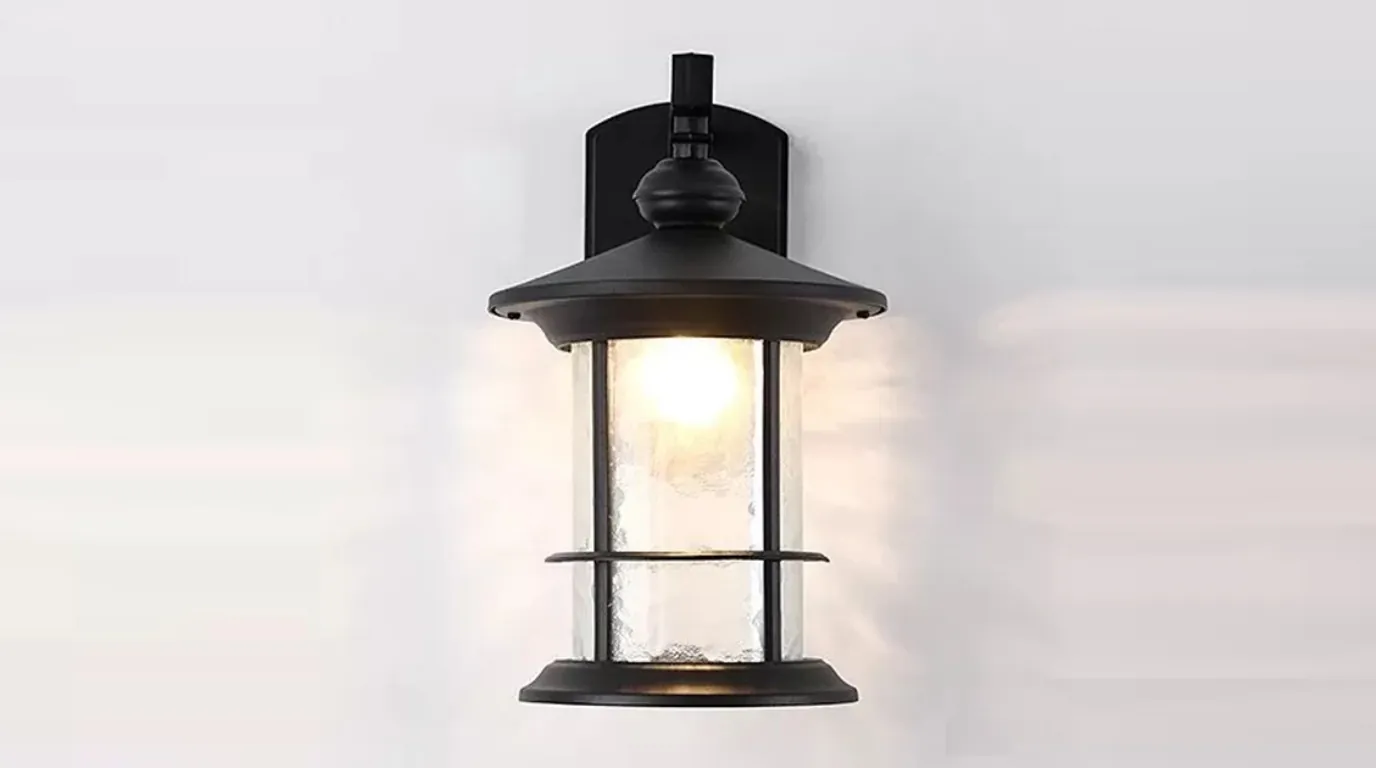
Ceiling lights do most of the work in a typical Singapore home, but they rarely do all of it well. A single grid of downlights can leave a corridor looking flat, make a bedroom too bright at night and give a feature wall no depth at all. When shopping for wall lights Singapore homeowners often start with the design, yet the better starting point is placement: where the light will sit, what it needs to light and how it works with the rest of the room. This guide covers the main types of wall light, where each one works best in an HDB flat or condo, how high to mount them, and the mistakes worth avoiding before the walls are painted.
What Wall Lights Do Well
Wall lights add a secondary layer of light that sits closer to eye level than ceiling fittings. That makes them good at three jobs. They soften a room by washing light across a wall instead of pushing it straight down. They light specific spots, such as a bedside, a staircase or an entrance, without switching on the whole room. And they act as accent lighting, drawing attention to artwork, a textured wall or a display shelf.
The Main Types of Wall Lights
Sconces and Decorative Wall Lights
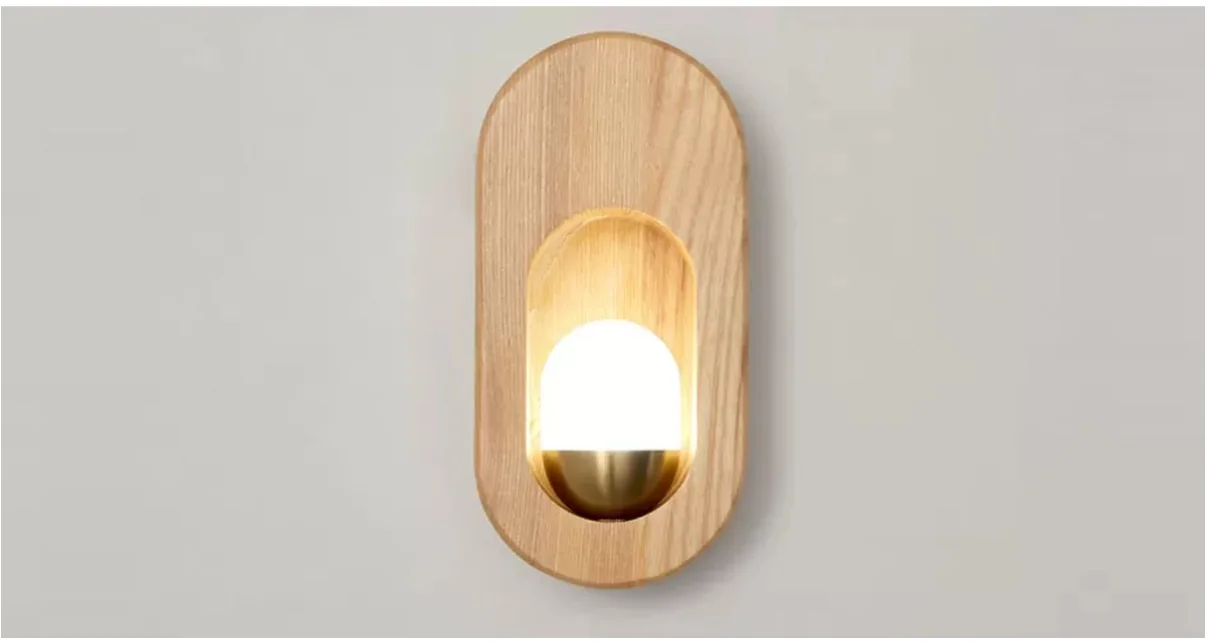
Sconces are the most common style. They come in metal, glass, fabric and wood-look finishes, and many are chosen as much for their shape as for the light they give. In living and dining areas they add warmth, especially in pairs either side of a console or artwork.
Up/Down Wall Lights
Up/down lights throw a beam both upwards and downwards, creating two bands of light on the wall. The effect is architectural and works well along corridors, on feature walls and beside entrance doors. Because the light source is hidden inside the body of the fitting, glare is usually low.
Bedside Wall Lights
A bedside wall light frees up space on the side table and gives each person their own light for reading. Look for a directional or adjustable head, a warm colour temperature and a switch within easy reach of the bed. These are among the most popular wall lights in Singapore bedrooms because they make a compact room feel calmer at night.
Outdoor Wall Lights
Outdoor wall lights are built for entrances, porches, balconies and walkways, and the key specification is the IP rating. As a guide, choose at least IP44 for covered outdoor areas, and IP65 or above for fittings exposed to heavy rain, since this rating offers maximum dust protection and resistance to water jets.
Which Wall Light for Which Room?
| Room | Recommended type | What to look for |
| Living room | Decorative sconce or up/down light | Warm white; place in pairs to frame a feature wall or TV console |
| Bedroom | Bedside wall light | Adjustable head, warm white, switch within reach of the bed |
| Corridor or staircase | Up/down light or low-glare sconce | Even spacing and a shielded light source |
| Balcony or entrance | Outdoor wall light | IP44 minimum; IP65 or above if exposed to rain |
| Study corner | Adjustable wall lamp | Neutral white for clear task lighting |
Mounting Height and Spacing
Mounting height decides whether a wall light feels comfortable or glaring. A common starting point is roughly 1.5 to 1.8 metres from the floor for sconces in living areas and corridors, which keeps the light source above most people’s line of sight. Bedside lights usually sit lower, so the beam falls onto the pillow or book rather than into the eyes of someone lying down. In corridors, space fittings evenly, often around 2 to 2.5 metres apart, so the light reads as a steady rhythm rather than a series of bright spots. Always check heights against your actual furniture.
Colour Temperature by Room
Wall lights are usually ambient or accent lighting, so warm white of around 2700K to 3000K suits most living rooms, bedrooms and dining areas. Neutral white of around 4000K works better in a study corner or utility area where clear visibility matters. Try to keep one colour temperature per space; mixing warm wall lights with cool white downlights in the same room can make it feel disjointed.
Bulbs, Maintenance and Energy Efficiency
Some wall lights have built-in LED panels, while others use replaceable GU10 or E27 bulbs. Integrated LED fittings tend to be slimmer and can last a long time, while replaceable bulbs make future maintenance simpler and let you change the colour temperature later. If you choose a bulb-based fitting, check the energy label: the National Environment Agency (2023) announced a refreshed lamp label with a 4-tick rating scale to help consumers tell more efficient lamps apart. More ticks means a more efficient lamp.
Pairing Wall Lights With Downlights and Spotlights
Wall lights work best as one layer in a planned scheme. Start with general lighting, such as megaman downlight fittings spaced evenly across the ceiling, so the room is easy to move around in. Add wall lights for softness and local tasks, then use focused accent lighting, such as spotlights singapore homeowners use on artwork or shelves, for features you want to highlight. Putting each layer on its own switch lets the wall lights carry the mood in the evening.
Plan the Wiring Before the Walls Are Finished
Unlike a table lamp, a wall light needs a wiring point in the right place, so it should be decided during the renovation stage rather than after painting. Mark the exact positions on your floor plan, confirm heights against furniture, and decide which lights share a switch. The Energy Market Authority (n.d.) advises that electrical work at home should be carried out or supervised by a Licensed Electrical Worker, so bring your electrician into the plan early. For balconies and entrances, the Energy Market Authority’s electrical safety guidance (n.d.) also explains the role of a residual current circuit breaker (RCCB) and how to get one installed if your home does not have one, which matters more for fittings that may be exposed to moisture.
Common Mistakes to Avoid
The most common mistake is mounting wall lights too low, so the bare light source shines into people’s eyes. Others include using an indoor fitting on an exposed balcony, choosing a cool white wall light for a bedroom, and placing a bedside light where the headboard blocks it.
Frequently Asked Questions
How high should wall lights be mounted?
Around 1.5 to 1.8 metres from the floor is a common starting point for living areas and corridors. Bedside lights usually sit lower, depending on the bed and headboard height.
What IP rating do I need for an outdoor wall light?
Choose at least IP44 for covered areas, and IP65 or above for fittings exposed to rain.
Can wall lights replace ceiling lights?
They can in small spaces such as corridors, but most rooms work best with wall lights as an extra layer alongside downlights.
Are integrated LED wall lights better than ones with bulbs?
Integrated LED fittings are often slimmer and long-lasting, while GU10 or E27 fittings make it easier to replace or change the bulb later.
What colour temperature suits a bedside wall light?
Warm white, around 2700K to 3000K, is the most comfortable choice for reading and winding down at night.
Find the Right Wall Light for Your Home
The right wall light starts with a clear job: softening a living room, lighting a bedside, guiding the way along a corridor or welcoming guests at the entrance. Decide the placement, mounting height and IP rating first, then choose the style. You can browse our wall lamp singapore range online, including indoor, bedside and outdoor options, or visit our showrooms, a light shop singapore homeowners rely on, to see the finishes switched on before you decide.
References
- Energy Market Authority. (n.d.). Engaging Licensed Workers. EMA Singapore. https://ema.gov.sg/consumer-information/electricity/engaging-licensed-workers
- Energy Market Authority. (n.d.). Electrical Safety. EMA Singapore. https://ema.gov.sg/consumer-information/electricity/electrical-safety
- National Environment Agency. (2023). Enhancing Energy Efficiency Requirements of Home Appliances. NEA Singapore. https://www.nea.gov.sg/media/news/news/index/enhancing-energy-efficiency-requirements-of-home-appliances