
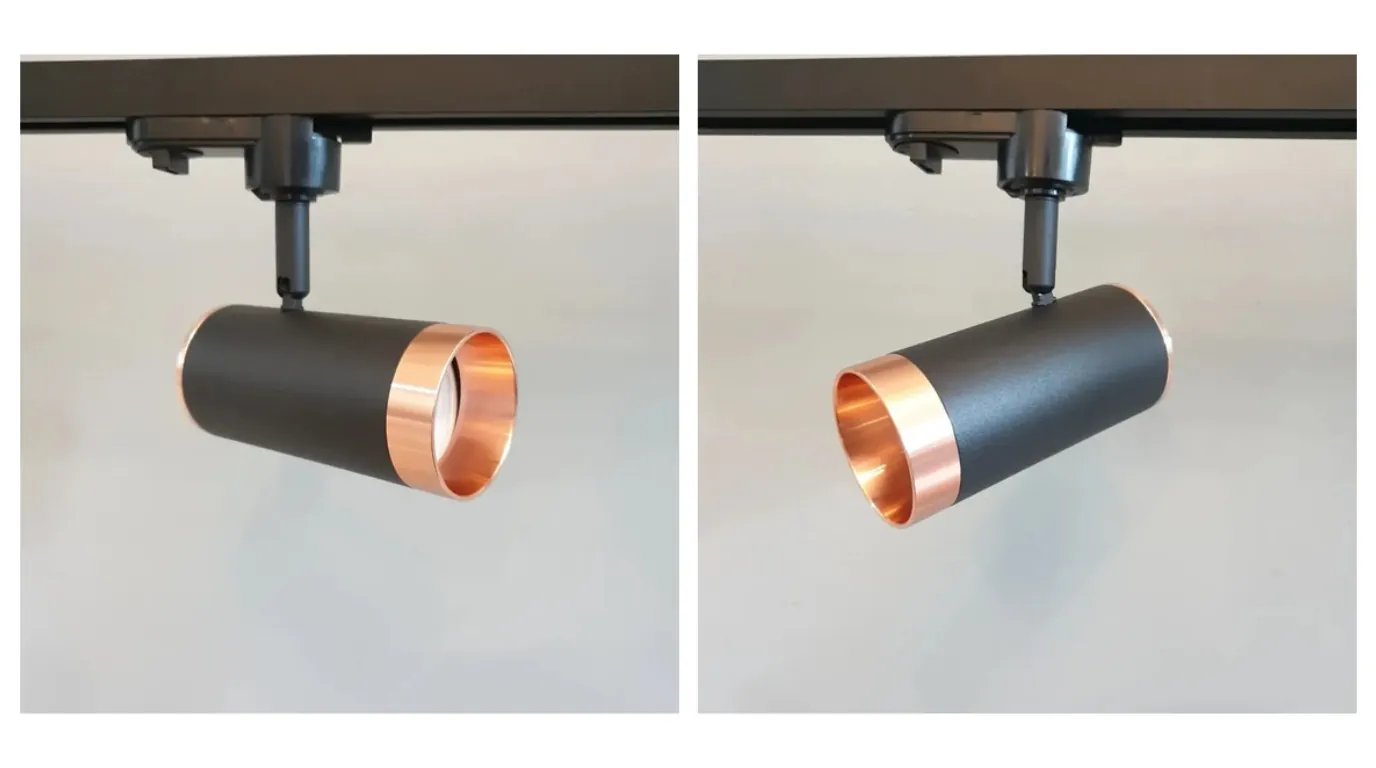
Fixed downlights are reliable, but once they are cut into the ceiling, they stay where they are. If you later move the sofa, hang new artwork or rearrange a dining area, the light no longer lands where you need it. Track lighting solves that problem. A single track carries several light heads that can be slid, turned and re-aimed, giving you focused light that adapts with the room. For homeowners comparing track lights Singapore homes can use well, this guide explains how a track lighting system works, where it suits HDB flats and condos, and how to plan a layout that looks deliberate rather than cluttered.
How Track Lighting Works
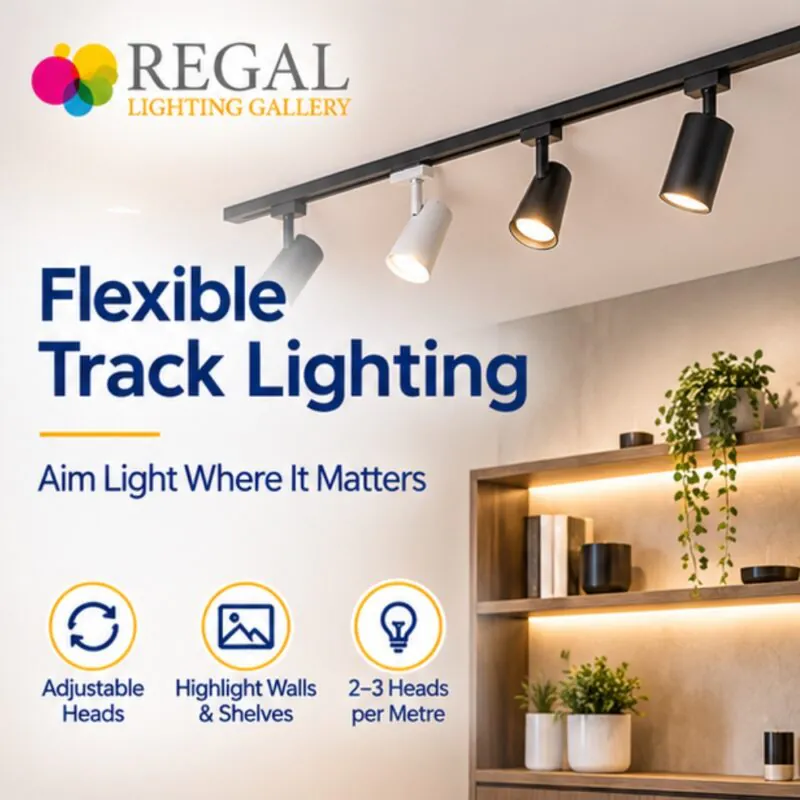
A track lighting system has two parts: the track, which is mounted on the ceiling and carries power along its length, and the light heads, which clip onto the track. Because each head can be positioned anywhere along the track and angled independently, one track can light a feature wall, a shelf and a counter at the same time. Tracks are usually sold in set lengths, such as 1 metre and 1.5 metres, and can be planned to suit the space you want to light.
Track lighting is different from two systems it is often confused with. Magnetic track lighting uses a slim low-voltage track with modules that attach magnetically, and it usually costs more. Power track carries movable power sockets rather than lights. Standard track lighting sits between these, offering flexible accent light at a modest cost.
Where Track Lights Work Best
Living Rooms and Feature Walls
Track lights are ideal for highlighting a feature wall, artwork or a display cabinet. Aim the heads at the wall rather than straight down, so the light grazes the surface and adds depth.
Open Kitchens and Dining Areas
A track above a kitchen counter or dining table provides strong, directed light where you prepare and eat food. Heads can be re-aimed if you change the table size or move an island.
Study Corners and Shelving
For a work desk or bookshelf, a short track with two or three heads gives task light without crowding the ceiling.
Homes Without a False Ceiling
Many older HDB flats have no false ceiling, which limits recessed downlights. Surface-mounted tracks fix directly to the existing ceiling, so they are one of the simplest ways to add flexible lighting without building a new ceiling.
Which Flexible Lighting Option Suits You?
| Option | How it works | Best for |
| Track lights | Mains-powered heads on a conventional ceiling track | Affordable, adjustable accent and task lighting |
| Magnetic track | Low-voltage track with magnetic modules | Clean modern ceilings, often recessed in a false ceiling |
| Spotlights | Individual fixed or adjustable fittings | One or two accent points that will not move |
| Power track | Movable power sockets on a track | Flexible sockets in kitchens and study areas, not lighting |
Choosing Track Length and Number of Heads
Start with what you want to light, not with the track. List the features in the room, then plan a track that runs past each of them. A 1-metre track with two or three heads suits a small feature wall or desk, while a longer run suits a living room wall or open kitchen. Avoid packing too many heads onto one track; three well-aimed heads usually look better than six competing ones. If a room needs light in two separate areas, two short tracks are often neater than one long track that crosses the ceiling.
Beam Angle and Colour Temperature
Beam angle controls how wide each pool of light spreads. Narrow beams create a tight, dramatic spot for artwork or a single object, while wider beams spread light across a counter or a larger wall. Match the beam to the task rather than using the same head everywhere. If you only need one or two fixed accent points, ceiling-mounted spotlights singapore homeowners use for feature walls may be a simpler alternative to a full track.
For colour temperature, warm white of around 2700K to 3000K suits living and dining areas, and neutral white of around 4000K suits kitchens and study corners. Keep track lights consistent with the other lights in the same space, so the room does not feel patchy.
Finishes That Suit Your Interior
Track lights are visible fittings, so the finish matters. Black and white are the most versatile, with black suiting industrial and modern interiors and white blending into a white ceiling. Wood-look, gold and rose gold finishes add warmth and work well in Scandinavian or contemporary homes. Choose one finish for all heads and the track in the same room.
Saving Energy With LED Track Lights
Most track lighting today uses LED, which keeps running costs low. The Energy Market Authority (2025) notes that LED bulbs can last up to 25 times longer than traditional bulbs, which means fewer replacements over the years. Track lighting can also reduce how much general lighting you need. The Building and Construction Authority (n.d.) suggests using task lights to reduce the wattage required for ambient lighting, which is exactly how a well-aimed track works alongside a few downlights.
Planning Track Lights During Renovation
Track lights are flexible after installation, but the power point and track position still need planning. The National Environment Agency’s Resource Efficiency Guide for New Home Owners (n.d.) recommends designing lighting with efficiency in mind from the start, including installing dimmers to improve ambience and save electricity. Decide the track position on your ceiling plan, confirm which switch controls it, and have any new wiring done by a licensed electrical worker.
Common Track Lighting Mistakes
The most common mistake is aiming every head straight down, which creates glare and harsh shadows. Others include using too many heads, mixing finishes or colour temperatures, and running a track through the middle of the ceiling where it lights the floor instead of the walls. Placing a track directly above seating can also cause glare for people sitting below.
Frequently Asked Questions
Are track lights suitable for HDB flats?
Yes. Surface-mounted tracks fix directly to the ceiling, which makes them suitable for flats with or without a false ceiling.
What is the difference between track lights and magnetic track lights?
Standard track lights use mains-powered heads on a conventional track. Magnetic tracks use a slim low-voltage track with magnetic modules and usually cost more.
How many heads should one track have?
Two or three heads suit most 1-metre tracks. Plan the number around the features you want to light.
Can track lights replace downlights?
They can in some rooms, but most homes work best with downlights for general light and track lights for accent and task lighting.
Which colour temperature should I choose?
Warm white suits living and dining areas, while neutral white suits kitchens and study corners.
Find the Right Track Lights for Your Home
Track lighting gives you focused, adjustable light that can change as your home does. Plan what each head needs to light, choose the right beam and colour temperature, and keep finishes consistent. Combine it with softer lighting such as wall lights singapore [LINK TO: Post 35 — Wall Lights Singapore: Where to Use Them and How to Choose the Right Style] homeowners use for ambience. Browse our track lighting singapore range online, compare it with magnetic tracklight systems, or visit one of the singapore lighting stores that let you see the heads switched on before you decide.
References
- Energy Market Authority. (2025). Powering Down for a Greener Singapore Tomorrow: Easy Energy-Saving Habits. EMA Singapore. https://www.ema.gov.sg/news-events/news/feature-stories/2025/powering-down-for-a-greener-singapore-tomorrow
- Building and Construction Authority. (n.d.). Green Ideas. BCA Singapore. https://www1.bca.gov.sg/buildsg/sustainability/green-ideas
- National Environment Agency. (n.d.). Resource Efficiency Guide for New Home Owners. NEA Singapore. https://www.nea.gov.sg/docs/default-source/default-document-library/resource-efficiency-guide-for-homeownerscd895583779e40f38ba9bde74898c8d2.pdf